Top 5 Data Visualization Tools to Impress Your Boss
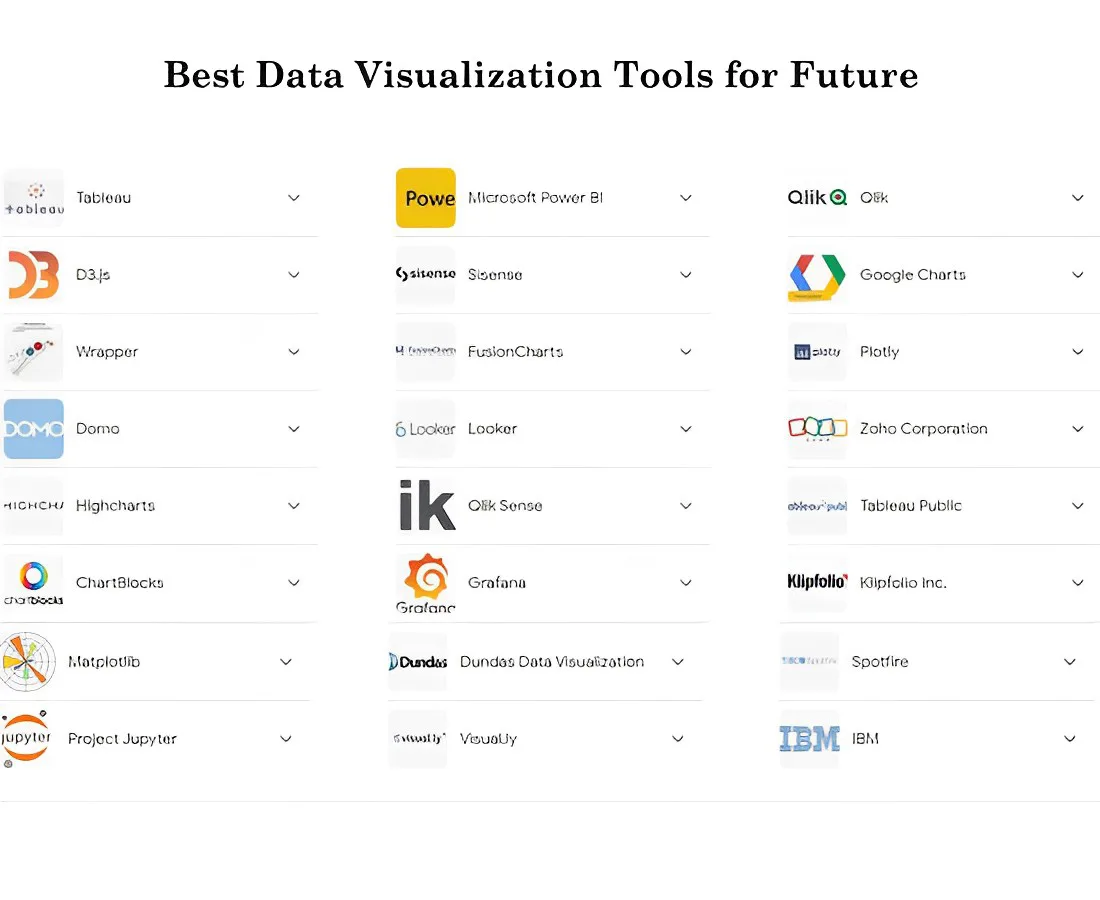
In the world of data analysis, having the right tools can significantly enhance your ability to present information convincingly. Data visualization tools help transform complex data sets into visually appealing graphics that make it easier for decision-makers to understand insights quickly. In this article, we will explore the top 5 data visualization tools that not only simplify your data presentation but also impress your boss!
- Tableau: Widely praised for its intuitive interface, Tableau allows users to create stunning visualizations with minimal effort. It supports various data sources and offers interactive dashboards that can facilitate powerful storytelling.
- Power BI: A product of Microsoft, Power BI enables seamless integration with Excel, making it a favored choice among businesses. Its capacity to generate real-time analytics provides an edge in decision-making.
- Google Data Studio: As a free tool, Google Data Studio provides a collaborative platform, allowing teams to create customizable reports and dashboards easily.
- Infogram: Known for its user-friendly features, Infogram is perfect for building infographics and presentations that capture attention with vibrant visuals.
- D3.js: For those who are more technically inclined, D3.js offers unparalleled flexibility in creating complex, interactive data visualizations using JavaScript.
How to Create Stunning Visuals: A Guide to Data Visualization Software
In today's data-driven world, data visualization software plays a crucial role in converting complex datasets into compelling visual stories. To create stunning visuals, it's important to choose the right tools that cater to your specific needs. Popular software options include Tableau, known for its interactive dashboards, and Power BI, which offers seamless integration with Microsoft products. Begin by identifying the type of data you wish to visualize, and consider factors such as ease of use, available features, and whether the tool supports the visualization format that best represents your data.
Once you've selected the appropriate software, focus on these key principles to enhance your visuals:
- Clarity: Ensure your visuals convey information clearly without clutter.
- Color Usage: Use colors strategically to draw attention and represent data accurately.
- Consistency: Maintain a uniform style throughout your visuals for a professional look.
Is Your Data Telling a Story? Discover the Best Visualization Tools to Find Out
Data is not just a collection of numbers; it's a narrative waiting to be uncovered. Visualization tools play a pivotal role in transforming raw data into compelling stories that facilitate understanding and decision-making. By leveraging these tools, businesses can identify patterns, trends, and outliers within their datasets, which makes it easier to communicate insights to stakeholders. Whether you are analyzing sales performance, customer behavior, or market trends, utilizing the right data visualization tools can significantly enhance your storytelling capabilities.
There are several visualization tools available, each with its unique features tailored for various needs. Here are some of the best options you can consider:
- Tableau: Known for its user-friendly interface and powerful analytics features.
- Power BI: A Microsoft product that integrates seamlessly with Excel and offers real-time dashboards.
- Google Data Studio: A free tool that allows you to build interactive reports and dashboards from your data sources.
- D3.js: Ideal for developers looking to create custom data visualizations with JavaScript.
Choosing the right tool will depend on your specific needs, but the key is to ensure that your data is presented in a way that communicates its true story.