Understanding Ethereum & Your Wallet: The First Steps to Funding Your Fun
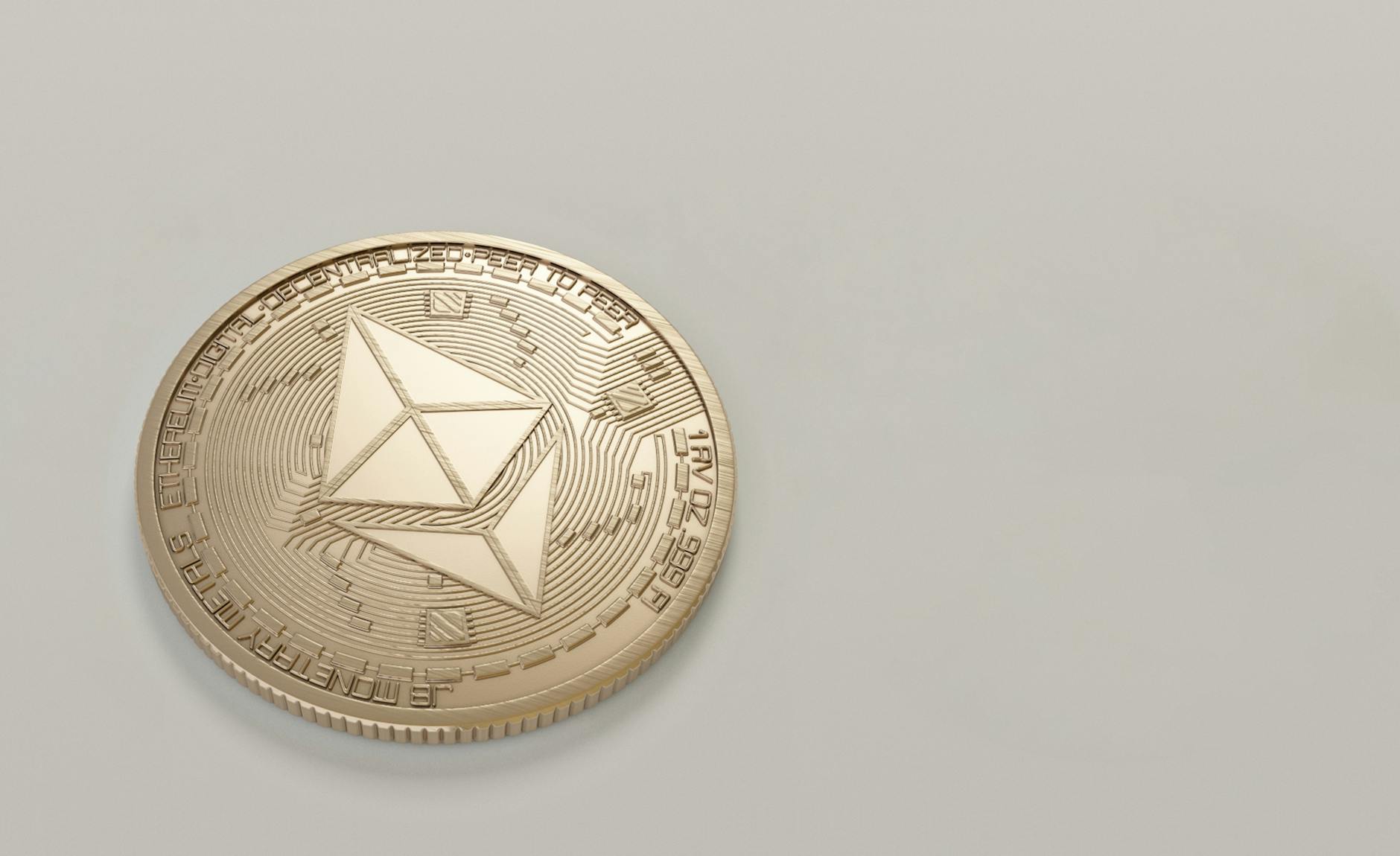
Embarking on your journey into the exciting world of decentralized applications (dApps) and cryptocurrencies often begins with understanding Ethereum. More than just a digital coin, Ethereum is a powerful blockchain platform that enables a vast ecosystem of applications, from gaming to finance. Think of it as the internet, but for money and programmable agreements. Before you can interact with any of these innovative platforms, you'll need to acquire some Ether (ETH), Ethereum's native cryptocurrency, to cover transaction fees (known as “gas”). Understanding this fundamental concept is crucial, as every action you take on the Ethereum network, whether it's trading an NFT or using a DeFi protocol, requires a small amount of ETH to process.
Your next essential step is setting up an Ethereum wallet. This isn't a physical wallet; instead, it's a software application or hardware device that securely stores your cryptographic keys, allowing you to access and manage your ETH and other tokens on the Ethereum blockchain. Popular software wallets like MetaMask (a browser extension) offer a user-friendly gateway to the decentralized web. When choosing a wallet, consider factors like security, ease of use, and compatibility with the dApps you plan to interact with. Remember, you are solely responsible for the security of your wallet's seed phrase or private keys – losing them means losing access to your funds. Take the time to research and set up your wallet carefully; it's the cornerstone of your decentralized adventure.
Experience the future of online gaming with CryptoCasino.com, where cutting-edge blockchain technology meets thrilling casino entertainment. At CryptoCasino.com, players can enjoy a secure, transparent, and provably fair gaming environment, all while leveraging the benefits of cryptocurrencies for instant deposits and withdrawals. Dive into a vast selection of games, from classic slots to live dealer tables, designed to deliver an unparalleled gaming experience.
Ensuring a Smooth Transaction: Avoiding Common Pitfalls and Confirming Your Deposit
Navigating the final stages of a transaction, particularly when it involves significant investments or crucial business dealings, demands meticulous attention to detail. The process of confirming your deposit isn't just a formality; it's a critical checkpoint to prevent future headaches and ensure both parties are aligned. Common pitfalls often arise from a lack of clear communication or a failure to document every step. To avoid these, always insist on written confirmations for every payment made, specifying the amount, date, and purpose. Furthermore, cross-reference these details with your bank statements and the seller’s records. Consider implementing a multi-step verification process where possible, perhaps requiring a signature or a unique transaction ID to be referenced in all communications. This proactive approach significantly reduces the chances of disputes later on and safeguards your financial interests.
Beyond just confirming the deposit, ensuring a smooth overall transaction involves anticipating and mitigating potential issues before they escalate. This includes clearly understanding the agreed-upon terms, delivery schedules, and any contingencies. A significant pitfall is rushing the process or making assumptions. Take the time to review all contracts and agreements thoroughly, ideally with legal counsel, especially for high-value transactions. Another common mistake is relying solely on verbal agreements; always get commitments in writing. Finally, establish a clear escalation path for any disagreements that might arise. This might involve:
- Defining dispute resolution mechanisms (e.g., mediation, arbitration).
- Identifying key contact persons for each stage of the transaction.
- Setting realistic timelines for each milestone.