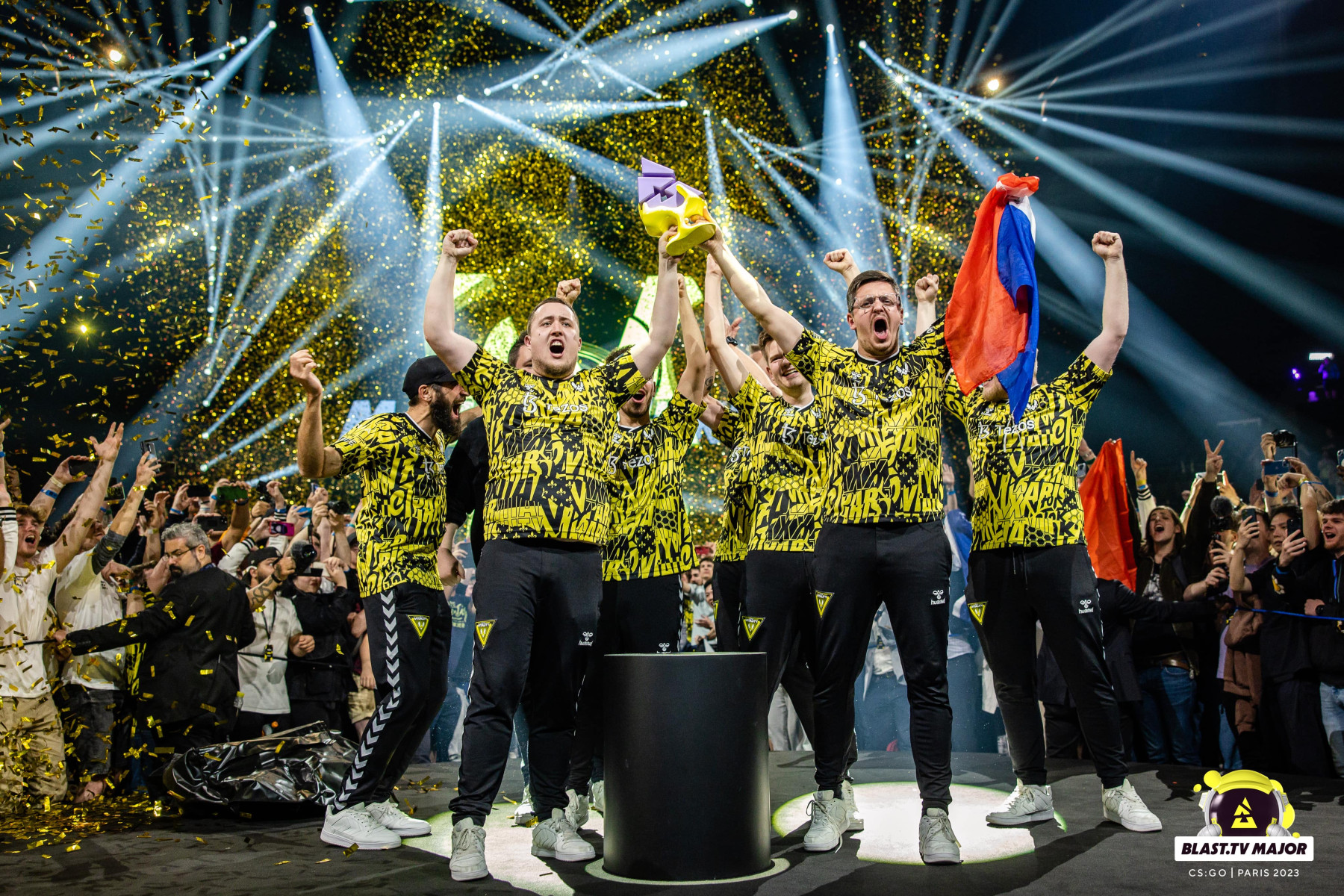
Top 5 Coordination Strategies Used by Winning CSGO Teams
In the competitive realm of CSGO, effective coordination is paramount for achieving victory. The top teams have honed their strategies, employing various techniques to enhance team synergy and communication. Here are the Top 5 Coordination Strategies used by winning CSGO teams:
- Centralized Communication: Teams utilize tools like Discord or in-game voice chat to maintain real-time communication. This ensures that all players are aware of enemy movements and strategies, allowing for quick adjustments.
- Role Assignment: Successful teams have well-defined roles for each player, whether it's the entry fragger, lurker, or support. This clarity enables players to understand their responsibilities and execute strategies effectively.
- Map Control: Winning teams prioritize controlling key areas of the map, using coordinated pushes and holds to outmaneuver opponents. This strategy often involves setting up crossfires and trading kills.
- Adaptability: Top teams are flexible and can adjust their strategies mid-game based on the evolving dynamics. This requires constant communication and a deep understanding of each player's strengths.
- Practicing Set Plays: Regular practice of specific plays and strategies ensures that all team members are on the same page during matches, minimizing confusion and maximizing efficiency.
Counter-Strike, a popular first-person shooter franchise, has captivated gamers since its inception in the late 1990s. The competitive gameplay, strategic team coordination, and immersive maps make it a favorite among esports enthusiasts. Players can engage in thrilling matches and participate in various game modes, including CS2 Case Battles, which add an exciting twist to the traditional gameplay experience.
How Team Communication Enhances Success in CSGO
In CSGO, effective team communication is a cornerstone of success. Players must relay vital information about enemy positions, strategies, and potential threats without confusion. When teammates communicate clearly, they can coordinate their movements, execute strategies, and respond to dynamic game situations in real-time. For instance, using callouts to specify enemy locations or calling for a tactical regrouping can significantly improve a team's chances of securing a round victory. Good communication fosters teamwork, allowing players to build trust and anticipate each other's actions.
Moreover, enhancing team communication goes beyond just tactical calls; it also involves maintaining a positive atmosphere within the squad. Constructive feedback during and after matches can lead to improved gameplay and overall team cohesion. By sharing insights about what works and what doesn't, players can refine their strategies for future matches. This cycle of feedback and adaptation is vital for long-term success in CSGO. Remember, a well-communicated strategy can turn the tide of the game, making it imperative for teams to prioritize and develop their communication skills.
What Makes a Successful CSGO Team: Secrets to Effective Coordination
Building a successful CSGO team requires more than just having skilled players; it hinges on effective coordination among team members. One key aspect is communication; teams that use clear and concise callouts can significantly improve their game. This involves assigning roles based on individual strengths and ensuring each player understands their responsibilities. Consider implementing regular practice sessions where teammates can discuss strategies and refine their skills together. Moreover, establishing a strong team culture can enhance collaboration, leading to better overall performance.
Furthermore, analyzing previous matches is crucial for a successful CSGO team. By reviewing gameplay, teams can identify weaknesses in their coordination and adjust their strategies accordingly. Effective coordination also extends to in-game decision-making, where teams must be able to react swiftly to evolving situations. A well-coordinated team can execute tactics seamlessly during high-pressure moments, often turning the tide of the match in their favor. Keeping an open-line feedback loop between players can foster improvement and unity, ensuring that everyone is working towards the shared goal of victory.