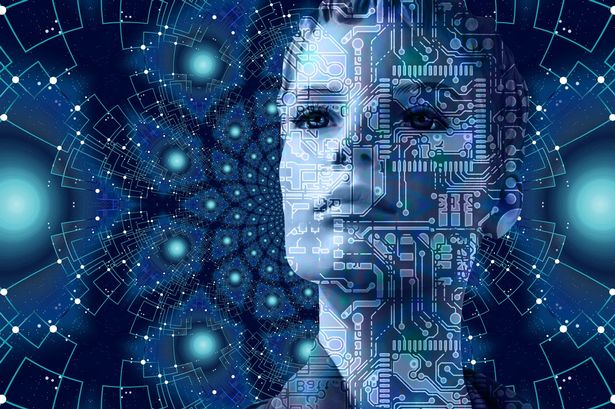
How AI is Mimicking Human Emotions: The Science Behind Sentient Tech
Artificial Intelligence (AI) has made remarkable strides in recent years, particularly in the realm of mimicking human emotions. This technological evolution is largely attributed to advancements in machine learning and neural networks, which allow computers to analyze vast amounts of data and recognize emotional patterns. By processing facial expressions, vocal intonations, and even text sentiment, AI systems are now able to respond in ways that closely resemble human emotional reactions. For instance, sentient tech applications can discern when a user is frustrated or happy, tailoring responses to enhance user experience and engagement.
The underlying science behind this capability often involves the incorporation of psychology and cognitive science principles into algorithm development. Researchers utilize a combination of natural language processing (NLP) and emotional AI to better understand the intricacies of human emotions. Through rigorous training on diverse datasets, AI learns to associate specific cues with particular emotional states, ultimately allowing for more intuitive human-computer interaction. This intersection of technology and emotional intelligence not only shapes the future of customer service but also raises ethical questions regarding the implications of machines that can emulate human feelings.
Counter-Strike is a popular first-person shooter game that pits teams of terrorists against counter-terrorists in various objective-based missions. It has become a staple in the gaming community, known for its strategic gameplay and competitive scene. Whether you are a casual player or a professional, there are numerous accessories available to enhance your gaming experience. Check out the Top 10 Samsung Galaxy Ultra Accessories to see what gear can help you perform at your best.
Are Smart Devices Getting Too Personal? Navigating the Human-Tech Relationship
As we integrate smart devices into our daily lives, a critical question arises: are they becoming too personal? From voice-activated assistants that know our preferences to fitness trackers that monitor our health, these technologies are tailored to enhance our convenience and efficiency. However, this level of personalization comes with a caveat. Our reliance on these devices can blur the lines of privacy and self-identity, leading us to wonder where we draw the line between helpful technology and intrusive surveillance. As consumers, we must navigate this delicate balance to ensure that we're harnessing the benefits of technology without sacrificing important aspects of our humanity.
Moreover, the rise of smart devices has significant implications for the human-tech relationship. Many users report an emotional attachment to their devices, attributing human characteristics to them and treating them as companions. This phenomenon can be seen in the increasing popularity of smart home systems that respond to our needs and moods. While this emotional connection can enhance our interaction with technology, it raises concerns about dependency and the potential erosion of interpersonal relationships. To foster a healthier coexistence with our devices, it is essential to strike a balance—embracing the efficiency of technology while remaining rooted in genuine human experiences.
Can Technology Enhance Our Humanity? Exploring the Benefits and Drawbacks
In an era defined by rapid advancements, technology has become an integral part of our daily lives, prompting an essential question: Can technology enhance our humanity? The benefits are multifaceted. For instance, communication technologies enable us to connect with others across the globe, fostering a sense of community and shared experiences. Additionally, innovations such as telemedicine provide healthcare solutions to those in remote areas, significantly improving quality of life. Here are some key advantages:
- Improved communication and connectivity
- Access to information and education
- Enhanced healthcare and wellness
However, while the benefits are abundant, the drawbacks warrant careful consideration. Overreliance on technology can lead to diminished face-to-face interactions, potentially eroding our social skills and emotional intelligence. Moreover, issues related to privacy and data security have escalated in our digital age, with personal information often at risk of exposure. It is crucial to strike a balance. As we navigate this technological landscape, we must ask ourselves: what steps can we take to ensure that technology serves to enhance rather than diminish our humanity? In summary:
- Risks of social isolation
- Concerns over privacy and security
- The need for mindful engagement