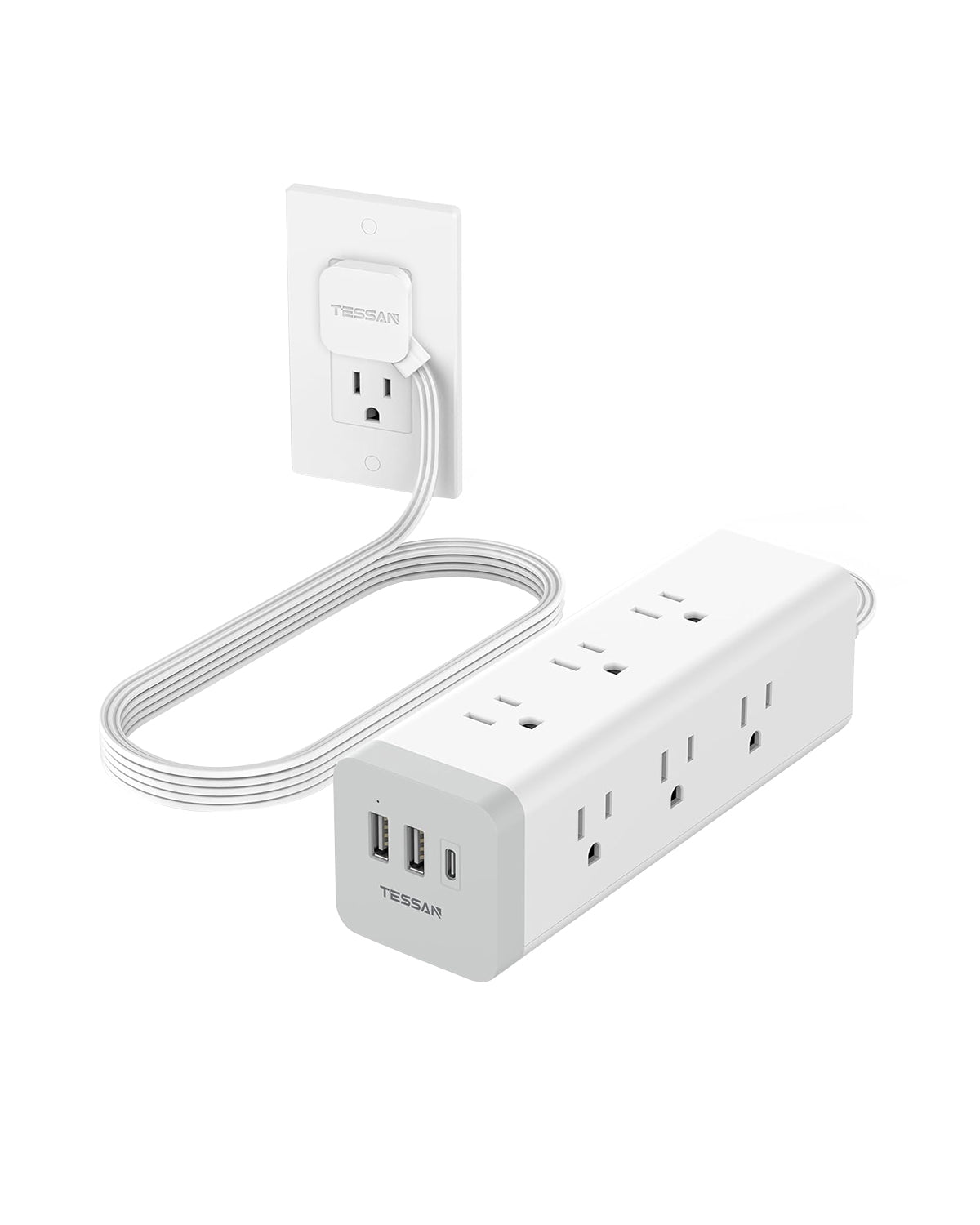
10 Creative Uses for Extension Cables You Never Knew Existed
Extension cables are commonly used for powering devices in hard-to-reach areas, but their potential doesn’t end there. Here are 10 creative uses for extension cables that you probably never considered. Firstly, you can use an extension cable to create a temporary charging station during outdoor events or picnics. This allows you to keep your devices charged without worrying about locating multiple outlets. Secondly, by connecting several extension cables, you can illuminate your backyard with string lights for parties or gatherings, adding ambiance without the hassle of traditional wiring.
Moreover, consider utilizing your extension cable to build a DIY cable management system. By securing multiple cables along a wall or furniture, you can not only declutter your space but also prevent tripping hazards. Another inventive use involves fashioning a portable power source for camping trips; simply pack an extension cable along with a power bank to keep your essential electronics charged. Lastly, don’t overlook the benefits of using extension cables for upcycling projects. They can be transformed into decorative items or even functional home decor—think lamp bases or plant hangers. The versatility of extension cables is limited only by your imagination!
If you're looking to boost connectivity options for your devices, exploring the Top 10 USB C Extension Cables can prove invaluable. These extension cables offer varying lengths and features to suit different needs, enhancing your charging and data transfer capabilities. Choosing the right cable can make a significant difference in performance and convenience.
How to Choose the Right Extension Cable for Your Needs
Choosing the right extension cable is essential for ensuring that your electronics function safely and efficiently. Start by considering the power requirements of the devices you'll be using. Check the wattage ratings and ensure that the extension cable can handle the load without overheating. For example, high-powered devices such as heaters or large appliances may require a heavy-duty extension cord with a higher amp rating. If you are simply powering smaller devices like chargers or lamps, a standard extension cord should suffice.
Next, pay attention to the cord length you need. Measure the distance from your power source to the device to determine the right length. It's wise to avoid overextending the cable as this can lead to voltage drops or potential hazards. Consider also the type of environment where the extension cord will be used. For outdoor usage, select a cable rated for outdoor use, which typically features better insulation and resistance to the elements. Always check for safety features such as surge protection and circuit breakers to keep your devices safe from power surges.
Is Your Extension Cable Safe? 5 Essential Safety Tips
When it comes to using extension cables, safety should always be your top priority. An unsafe extension cable can lead to serious hazards, including electrical fires and equipment damage. To ensure your extension cable is safe, regularly inspect it for visible signs of wear, such as fraying or exposed wires. Additionally, make sure not to overload the cable beyond its specified amperage, as this can cause overheating. By following these precautions, you significantly reduce the risk of dangerous incidents related to your extension cables.
Here are 5 essential safety tips to keep in mind when using extension cables:
- Check the Rating: Always choose an extension cable that is rated for the devices you intend to power.
- Avoid Daisy Chaining: Never connect multiple extension cables together, as this can create a hazardous situation.
- Keep Away from Water: Ensure that your extension cables are used in dry environments to prevent electrical shock.
- Limit Outdoor Use: Use extension cords designed for outdoor use, as they are built to withstand the elements.
- Store Properly: Roll up cables and store them in a dry place when not in use to avoid damage.