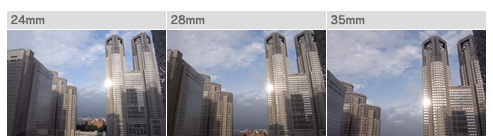
Exploring the Benefits of Wide Angle Photography: A Beginner's Guide
Wide angle photography is a captivating style that allows photographers to capture a broader perspective than traditional lenses. This technique is particularly beneficial for beginners, as it enables them to encapsulate more of the scene within a single frame, creating a sense of depth and grandeur. By using wide angle lenses, such as those with a focal length of 35mm or less, photographers can emphasize foreground subjects while simultaneously including stunning backgrounds. This benefit of wide angle photography is perfect for landscapes, architecture, and interior shots, making it an essential tool in any photographer's arsenal.
One of the main advantages of wide angle photography is how it transforms everyday scenes into dynamic images. For instance, when photographing a small room, a wide angle lens can make the space appear larger and more inviting. Additionally, this technique encourages creativity as it allows for unique compositions and perspectives. Beginners can experiment with wide angle photography by incorporating leading lines or interesting angles to draw the viewer's attention, and ultimately, enhance their storytelling. Remember, practice makes perfect, so don’t hesitate to explore various subjects and settings.
Counter-Strike is a popular tactical first-person shooter video game that has captivated gamers since its initial release. With its emphasis on strategy, teamwork, and skill, it has become a staple in competitive gaming. Players can enhance their gaming experience by using various peripherals and tools, much like how photographers seek the Top 10 iphone camera lenses to improve their craft. The game's various modes and maps keep players engaged, making it a top choice for both casual and professional gamers.
How Wide Angle Lenses Can Transform Your Landscape Shots
When it comes to capturing breathtaking landscapes, wide angle lenses are a game changer. These lenses have the unique ability to capture more of the scene in a single shot, allowing photographers to create expansive and immersive images that draw viewers in. Whether you’re shooting rolling hills, vast oceans, or the intricate details of a forest, a wide angle lens ensures that you won’t miss any of the stunning elements that contribute to the overall composition. The perspective provided by these lenses can also exaggerate the distance between objects, which adds depth and drama to your photographs, making them pop with vibrancy and life.
Additionally, using a wide angle lens can enhance the sense of scale in your landscape photography. By including foreground elements—like a rock, tree, or person—you can create a more relatable context for the vastness of your landscapes. This technique not only emphasizes the grandeur of nature but also connects the viewer emotionally to the scene. To make the most out of your wide angle shots, consider experimenting with different angles and compositions, as well as incorporating leading lines that draw the eye through the image. Ultimately, mastering the use of wide angle lenses can elevate your landscape photography and transform ordinary scenes into extraordinary works of art.
What to Consider When Choosing a Wide Angle Lens for Your Photography
When selecting a wide angle lens for your photography, the most critical factors to consider include focal length, aperture, and compatibility. The focal length typically ranges from 10mm to 35mm for wide angle lenses. A shorter focal length allows for a broader field of view, making it ideal for landscapes and architecture. Additionally, a lens with a larger maximum aperture (like f/2.8 or f/1.4) will enable you to capture more light, resulting in better performance in low-light conditions and improved depth of field control.
Another essential factor is the lens construction and image quality. Look for lenses that have multiple elements designed to minimize distortion and chromatic aberrations, which can detract from image sharpness and clarity. If possible, consider testing the lens before purchasing to gauge the sharpness and overall aesthetic. Furthermore, ensure that the lens is compatible with your camera body, as using a lens designed for a different mount may require an adapter, which could affect performance.