The Hidden Ingredients in Pet Food: What You Need to Know
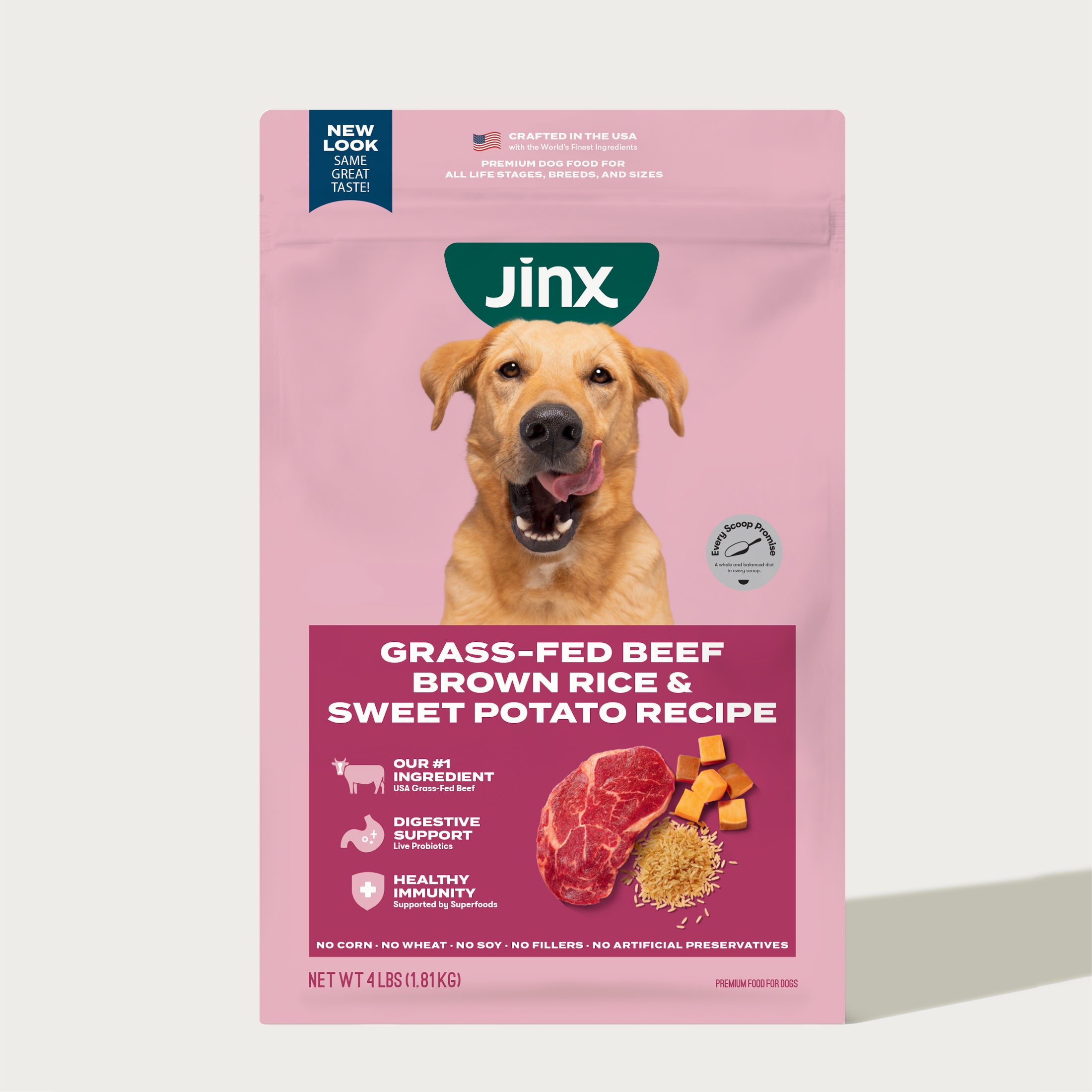
When it comes to pet food, many pet owners may not realize the hidden ingredients that can impact their furry friends' health. Ingredients such as by-products, fillers, and artificial additives often make their way into commercial pet foods, sometimes without clear labeling. By-products can include parts of the animal that are not typically used in human food, which may contain valuable nutrients but can also raise concerns. Additionally, fillers like corn and soy are commonly added to bulk up food without providing significant nutritional value. Understanding these hidden ingredients is essential for making informed choices about your pet’s diet.
Furthermore, artificial preservatives and flavor enhancers can be lurking in your pet's meals, potentially leading to long-term health issues. Many brands opt for these cheaper alternatives over more natural options to increase shelf life and appeal to pets' taste buds. It is crucial to read labels carefully and be aware of what goes into your pet's food. Consider seeking out brands that prioritize transparency and use high-quality, recognizable ingredients. By taking the time to educate yourself about the hidden ingredients in pet food, you can help ensure your beloved companion enjoys a healthier and happier life.
Is Your Pet's Food Making Them Sick? Signs and Solutions
As a pet owner, ensuring your furry friend is healthy is a top priority. However, did you know that your pet's food could be making them sick? Some common signs to look out for include vomiting, diarrhea, lethargy, and changes in appetite. If your pet exhibits any of these symptoms, it's crucial to investigate their diet. Possible culprits may include low-quality ingredients, food allergens, or even spoiled food. Monitoring your pet's reaction to their diet can help pinpoint issues and keep them happy and healthy.
To address potential food-related health issues, consider the following solutions:
- Consult your veterinarian: Before making any changes, get professional advice to rule out health conditions.
- Analyze the ingredients: Look for high-quality, natural ingredients in your pet's food and avoid fillers.
- Gradually transition diets: If changing food, do so slowly to avoid further digestive upset.
- Monitor your pet: Keep a close eye on their behavior and health status after any dietary change.
Choosing the Right Diet: What Your Pet Would Tell You If They Could
Choosing the right diet for your pet is more crucial than you might realize. If your furry friend could speak, they would likely express their desire for a balanced diet rich in high-quality ingredients, just like what veterinarians recommend. Pets thrive on a mix of protein, healthy fats, and essential vitamins. When selecting food, consider opting for brands that feature real meat as the first ingredient, as this directly impacts their energy levels and overall well-being. Remember, what you choose plays a vital role in their happiness and longevity.
Furthermore, your pet would urge you to take their specific needs into account, such as age, size, and health conditions. For instance, puppies require nutrient-dense formulas to support their growth, while senior pets may benefit from diets low in calories but high in fiber. It can be overwhelming to navigate the myriad of options available, but making informed decisions will ensure that your pet feels their best. In the end, investing time in choosing the right diet is an investment in quality time with your beloved companion.