Top 10 Toys Your Dog Will Love: A Comprehensive Guide
Choosing the right toys for your dog can significantly enhance their playtime and overall happiness. In this comprehensive guide, we explore the top 10 toys your dog will love, ensuring that you find the perfect match for your furry friend. From interactive toys that challenge your dog’s intellect to chew toys that promote dental health, there’s something for every pup. Here’s a quick overview of our top picks:
- Durable Rubber Chew Toys
- Stuffable Treat Dispensers
- Interactive Puzzle Games
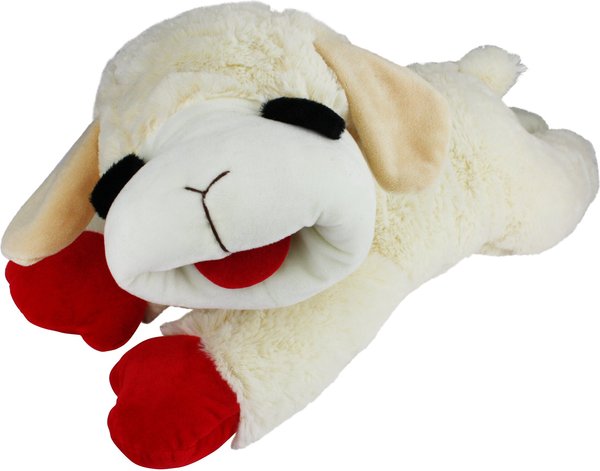
- Soft Plush Toys
- Fetch Balls with an Extra Bounce
- Rope Tug Toys
- Floating Water Toys
- Crinkly Noise-Making Toys
- Snuffle Mats for Nose Work
- Convertible Toys for Multiple Uses
Each of these toys offers unique benefits that cater to your dog's needs and preferences. Investing in quality playthings not only keeps your dog entertained but also fosters a strong bond between you and your canine companion.
Catnip vs. Feather Toys: What Makes Your Cat Purr?
When it comes to keeping our feline friends entertained, catnip and feather toys are two of the most popular options among cat owners. Both have their unique appeal, but what makes your cat purr might vary from one feline to another. Catnip, a member of the mint family, contains a compound called nepetalactone that triggers a euphoric response in about two-thirds of cats. This irresistible herb can turn a lethargic kitty into a playful whirlwind, prompting them to roll, pounce, and even get a little vocal. On the other hand, feather toys mimic the movement of birds, appealing to a cat's hunting instincts. Their fluttering motion can stimulate your kitty’s predatory urges, making for an engaging playtime experience.
To help you decide which toy might make your cat purr more, consider these factors:
- Preference: Some cats may go wild for catnip, while others show little interest. Watching your cat's behavior can reveal their favorites.
- Activity Level: For particularly energetic cats, feather toys can provide a great outlet for their playful nature, while more laid-back felines may enjoy the relaxation that comes with catnip.
- Health Considerations: If your cat has sensitivities, it’s worth noting that not all cats respond positively to catnip, and feather toys can pose a risk if ingested.
Do Pets Really Prefer Interactive Toys? Understanding Pet Play Preferences
Understanding whether pets really prefer interactive toys involves examining their natural instincts and how they engage with different types of playthings. Many pet owners have observed that their animals seem more stimulated and excited when using toys that require some effort to engage with, such as puzzle toys or those that dispense treats. This preference can be attributed to the mental and physical stimulation that these toys provide, closely mimicking the behaviors pets would exhibit in the wild while hunting or foraging.
Moreover, interactive toys promote healthy play preferences by keeping pets active and avoiding boredom. For instance, dogs may engage in longer play sessions when presented with toys that challenge them, leading to a healthier outlet for their energy. Similarly, cats are known to gravitate towards toys that mimic the unpredictable movement of prey, reinforcing their natural hunting instincts. In conclusion, while individual pet preferences may vary, it is clear that many animals benefit from and often prefer the engagement offered by interactive toys over traditional ones.