10 Proven Techniques to Optimize Your Website's Speed
In the digital age, website speed plays a crucial role in user experience and search engine rankings. Here are 10 proven techniques to optimize your website's speed:
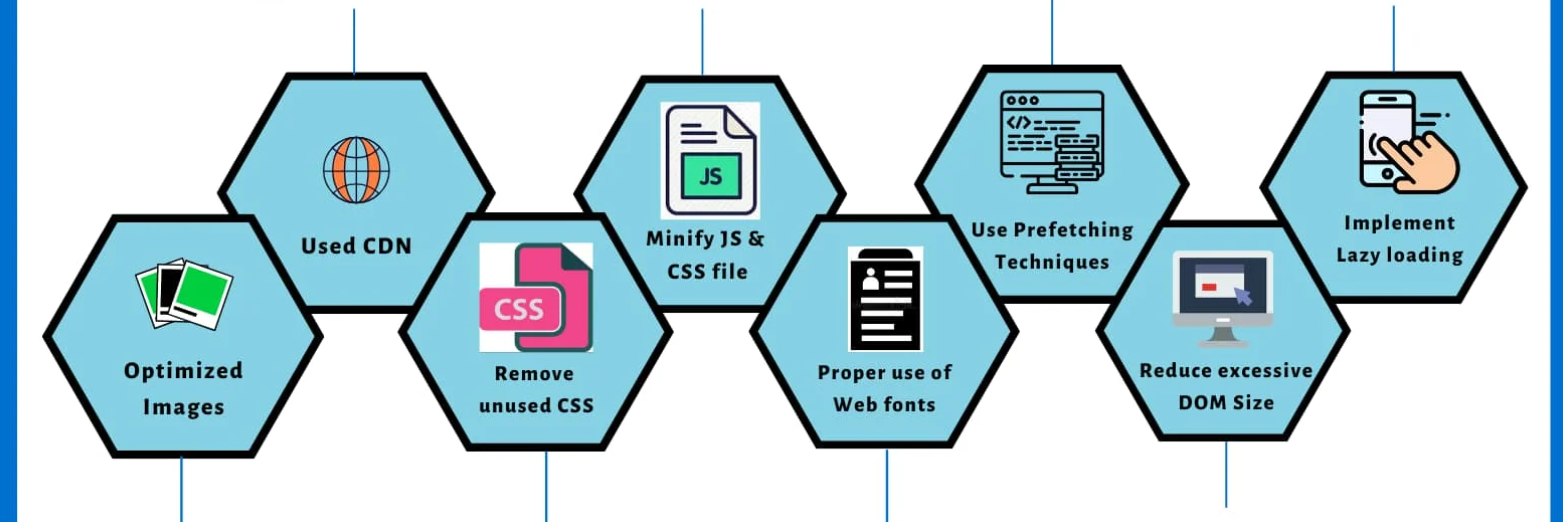
- Optimize Images: Compress images using tools like JPEGmini or TinyPNG to reduce their size without sacrificing quality.
- Minify CSS and JavaScript: Remove unnecessary characters from your CSS and JavaScript files using minification tools to enhance loading times.
- Enable Browser Caching: Set up caching rules to store some website resources in users' browsers, speeding up future visits.
- Use a Content Delivery Network (CDN): Distribute your site's content across multiple servers worldwide to reduce latency.
Continuing on the path to improved performance, consider these additional strategies:
- Reduce HTTP Requests: Limit the number of components on your pages, such as images, scripts, and styles, to decrease server requests.
- Implement Lazy Loading: Load images and videos only when they're visible on the user's screen to enhance initial load times.
- Optimize Server Response Time: Monitor and optimize your server performance to ensure efficient resource handling.
- Choose the Right Hosting Solution: Invest in quality hosting services that can handle traffic spikes and offer solid performance.
By applying these proven techniques, you can significantly boost your website's speed, leading to a better user experience and higher search engine rankings.
The Ultimate Guide to Website Caching: Boost Your Load Times
In today's digital landscape, website caching is an essential tactic for improving your site's performance and enhancing user experience. By temporarily storing copies of your web pages and resources, caching significantly reduces the time it takes for your site to load. This not only pleases your visitors, but it also positively impacts your search engine rankings. Here are some key benefits of implementing website caching:
- Faster load times
- Reduced server load
- Improved user satisfaction
There are several types of caching techniques that you can utilize for your website, each serving a specific purpose. Browser caching allows frequently accessed files to be stored on the user's device, whereas server-side caching optimizes the delivery of content from your server. Implementing a caching strategy is a crucial step for site owners looking to boost performance. To effectively use website caching, consider the following steps:
- Choose the right caching method
- Configure your caching settings
- Regularly monitor and clear your cache
Is Your Website Slow? Here’s How to Diagnose and Fix Performance Issues
If you suspect that your website is slow, the first step is to diagnose the issue. Start by using online tools such as Google PageSpeed Insights or GTmetrix, which not only test your site's loading speed but also provide valuable insights into what might be causing delays. Look for common culprits such as large image files, excessive JavaScript, or heavy CSS that can slow down your site. Additionally, check your server response time—if your server is taking too long to respond, it can significantly impact overall performance.
Once you've diagnosed the issues, it’s time to implement fixes. Here are some effective strategies to improve website performance:
- Optimize Images: Resize and compress images to reduce load times.
- Minify CSS and JavaScript: Remove unnecessary characters and comments from your code.
- Leverage Browser Caching: Enable caching to improve loading times for returning visitors.
- Use a Content Delivery Network (CDN): Distribute your content across multiple servers to speed up access.