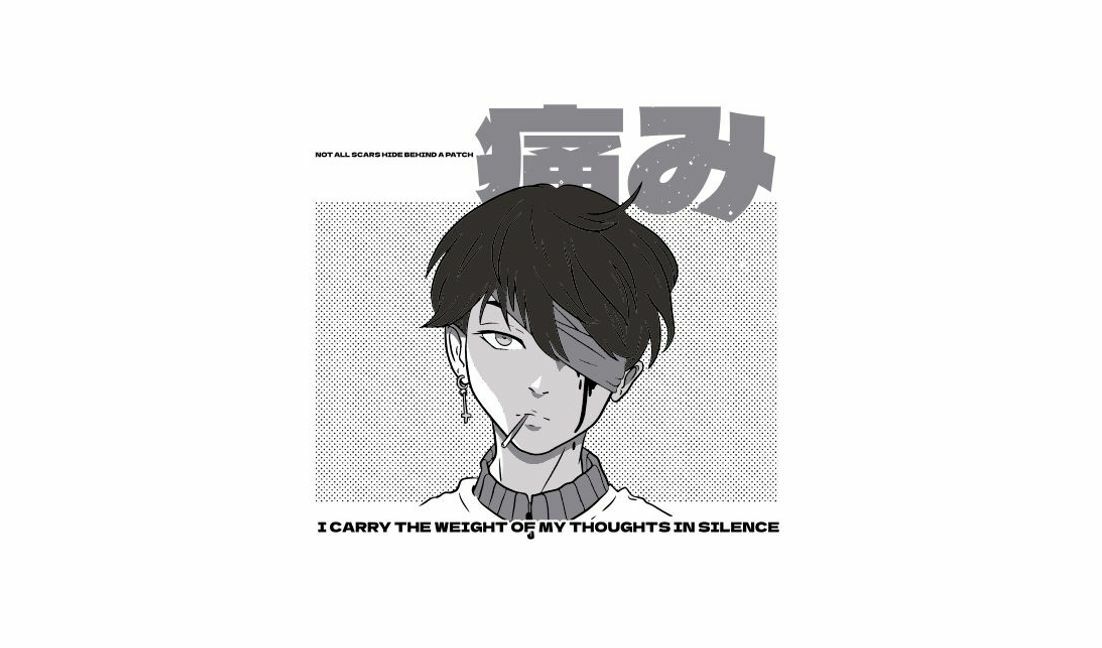
10 Ways to Infuse Manga Magic into Your Everyday Designs
Adding a touch of manga magic to your everyday designs can transform the ordinary into the extraordinary. Manga is renowned for its unique aesthetics, vibrant colors, and captivating characters, making it a rich source of inspiration. Here are 10 ways to infuse this art style into your creative projects:
- Color Palettes: Use bright and bold color schemes typical of manga illustrations to create visually striking designs.
- Character Creations: Develop original characters with manga features, such as large expressive eyes and dynamic poses.
- Panel Layouts: Incorporate manga-like paneling into your designs, whether it be for websites or graphic projects.
- Typography: Experiment with font styles that mirror the playful and expressive nature of manga text.
- Textured Backgrounds: Use subtle textures and gradient effects to add depth, mimicking the shading techniques found in manga.
- Storytelling Elements: Weave narrative techniques from manga into your designs, encouraging interaction and engagement.
- Incorporate Motion: Add animations that reflect manga motion lines to convey action and excitement.
- Cultural References: Infuse elements of Japanese culture, such as traditional motifs, to create a rich context.
- Feature Sound Effects: Use graphic representations of sound effects for a dynamic and immersive feel.
- Personal Touch: Make it uniquely yours by blending manga elements with your personal style.
If you're a fan of the anime and manga series Bleach, you might want to check out our bleach shop for the latest merchandise and collectibles. Whether you're looking for apparel, figures, or other unique items, there's something for every fan to enjoy.
How Pop Culture Influences Modern Design Trends
Pop culture plays a significant role in shaping modern design trends, reflecting the tastes and aspirations of society. From television shows and movies to music and social media, these cultural elements inspire designers to create innovative and appealing products. For instance, the rise of retro aesthetics in design is largely influenced by the resurgence of 80s and 90s pop culture, where vibrant colors and bold patterns dominate. This phenomenon is evident in everything from fashion to interior design, as people seek to evoke nostalgia while embracing the freshness of contemporary reinterpretations.
Moreover, pop culture often sets the stage for modern design trends through collaborations between artists and brands. High-profile collaborations, such as those between popular musicians and fashion labels, not only capture the attention of consumers but also bring new artistic visions to life. For example, the influence of streetwear on luxury fashion exemplifies how cultural icons can shift design paradigms. Consequently, designers are now more than ever looking to pop culture as a wellspring of inspiration, leading to unique and exciting innovations that resonate with audiences.
What Can Manga Teach Us About Creativity in Design?
Manga, a unique form of visual storytelling originating from Japan, offers rich insights into the principles of creativity in design. One of the most significant lessons it imparts is the importance of character development and visual diversity. Each manga artist employs a distinct style that not only reflects their personal artistic voice but also enhances the narrative. For aspiring designers, understanding how to create varied and memorable characters can serve as a potent reminder that creativity often comes from celebrating uniqueness rather than conforming to a single aesthetic. This principle can be applied to design projects, where diversifying elements can lead to more engaging and impactful work.
Moreover, manga exemplifies the power of storytelling and its vital role in design. Successful manga integrates creativity with a strong narrative, showing that design is not just about aesthetics but also about conveying messages effectively. For designers, a clear concept or story can guide their creative choices, ensuring that every element, from color schemes to typography, serves a purpose. By borrowing techniques used in manga, such as dynamic panel layouts and expressive visual cues, designers can elevate their work, creating experiences that resonate deeply with audiences and evoke emotional responses.