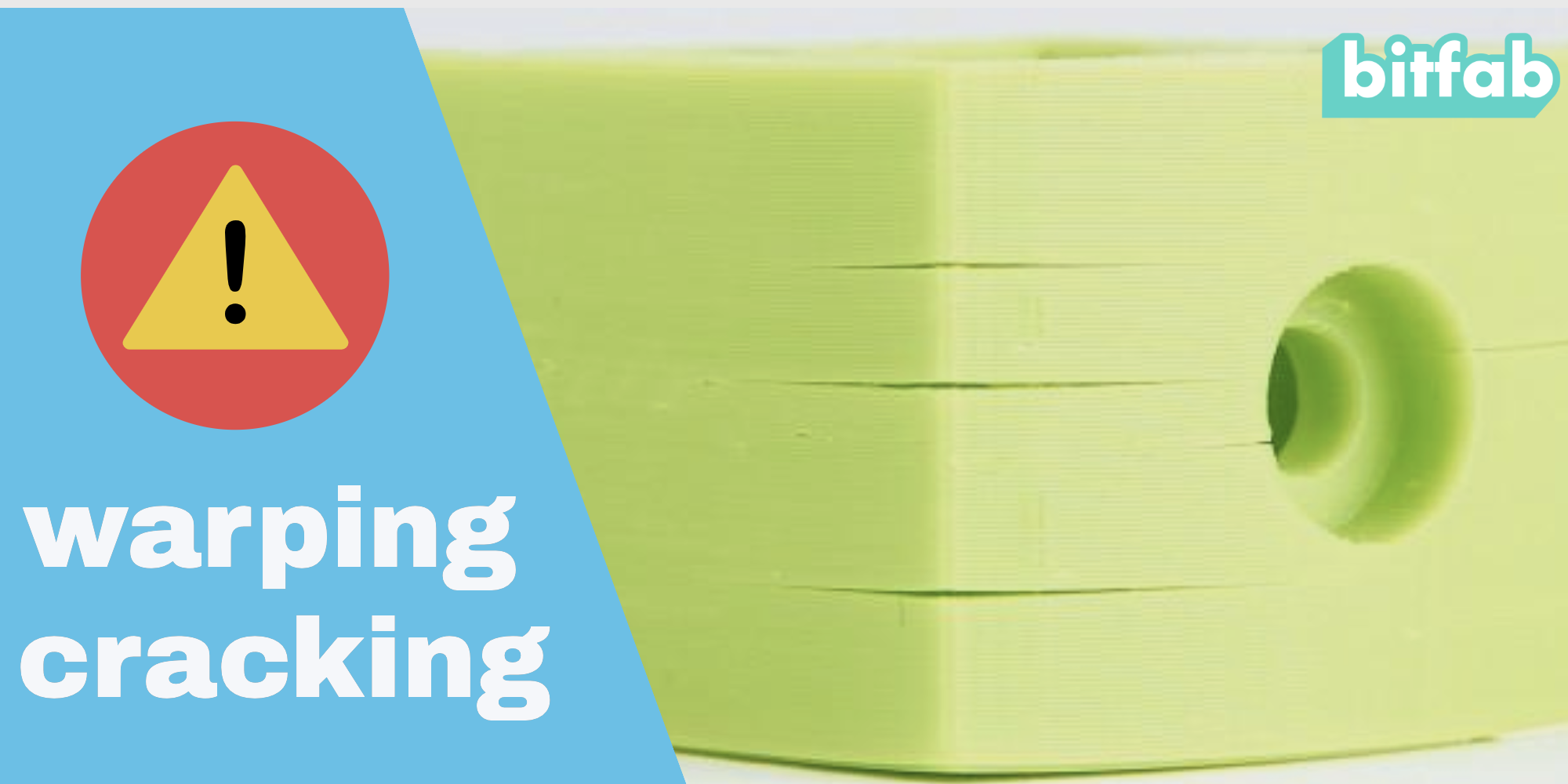
10 Essential Tips to Prevent Cracking in Your Fresh Prints
Cracking in your fresh prints can be a frustrating issue, especially when you've invested time and effort into creating vibrant designs. To avoid this common problem, start with high-quality materials, including inks and papers that are specifically designed for the type of printing you're doing. Properly preparing your substrate is equally important; make sure it's clean and free of dust or oils. Additionally, ensure that your printer's settings are optimized for the materials you're using, which can help in achieving strong adhesion and reducing the likelihood of cracks.
Another essential tip to prevent cracking in your fresh prints is to allow adequate drying time between layers if you are working with multi-layer designs. Rushing this process can lead to issues as the layers may not bond properly. Utilize a gentle heat source or fan to speed up drying times safely without overheating the print. Furthermore, storing your prints in a climate-controlled environment will help maintain their integrity, preventing rapid changes in temperature and humidity that can cause cracking over time. By following these guidelines, you can ensure your prints remain vibrant and crack-free.
If you're a fan of the popular anime, visiting a one piece shop is a must. You'll find a wide selection of merchandise, from action figures to clothing, that captures the spirit of the Straw Hat Pirates. Whether you're looking for collectibles or gifts for fellow fans, this shop has something for everyone!
Understanding the Science Behind Print Cracking: Causes and Solutions
Print cracking, a common issue in the printing industry, can occur due to a variety of factors. Understanding the science behind print cracking begins with recognizing the primary causes, which include insufficient ink adhesion, improper curing processes, and environmental conditions like humidity and temperature fluctuations. When inks fail to bond correctly with substrates, they become prone to cracking, especially during the stretching of materials or when subjected to stress. Additionally, the interaction between the ink and the substrate can exacerbate this issue, particularly when using incompatible materials.
To address print cracking effectively, several solutions can be employed. First, optimizing the curing process is crucial; ensuring that inks are adequately cured can significantly enhance adhesion. Second, choosing the right ink formulation that is compatible with the substrate can mitigate cracking risks. Implementing proper handling and storage practices can further minimize environmental impacts. Ultimately, a combination of adjustments in printing techniques and materials can lead to better outcomes and reduced instances of print cracking.
How to Choose the Right Materials to Avoid Cracking Problems
Choosing the right materials is crucial in preventing cracking problems, especially in construction and crafting projects. A strong foundation starts with the selection of materials that are appropriate for the environmental conditions and the intended use. It's essential to consider factors such as durability, flexibility, and thermal expansion when making your choice. For instance, some materials, like concrete, can be prone to cracking if not mixed and cured properly. On the other hand, alternatives like polymers or composites can provide higher resistance to stress and temperature changes, reducing the likelihood of cracks.
Additionally, performing stress analyses before finalizing your material choices can significantly improve the longevity of your project. You can start by evaluating the environmental conditions where the materials will be used, such as exposure to moisture or extreme temperatures. Consulting with industry experts or utilizing software tools designed for material selection can also provide valuable insights. Ultimately, the right choice of materials, combined with proper installation techniques, can help avoid cracking problems and ensure the structural integrity of your work.