Mastering the T-Side Tango: Essential CS2 Strategies for Competitive Play
In the competitive landscape of CS2, mastering the T-Side is crucial for achieving victory. Players must hone their ability to coordinate attacks, utilize utility effectively, and adapt their strategies based on the opponent's tendencies. One essential aspect of the T-Side is the 'T-Side Tango,' which refers to the fluid movement and synchronization required between teammates during an offensive push. To excel, players should focus on communication: call out enemy positions, relay utility usage, and synchronize timings for smokes and flashes. The key to successful executions lies in teamwork and understanding each other’s playstyles.
Moreover, implementing a variety of strategies can keep the enemy guessing and lead to more successful rounds. Here are some vital T-Side strategies to incorporate into your gameplay:
- Split Attacks: Divide your team to attack a bombsite from multiple angles, forcing defenders to spread thin.
- Fakes: Bluff an attack on one site while the majority of your team actually executes on the other.
- Control the Map: Secure areas of the map to gather information and limit the enemy's movements.
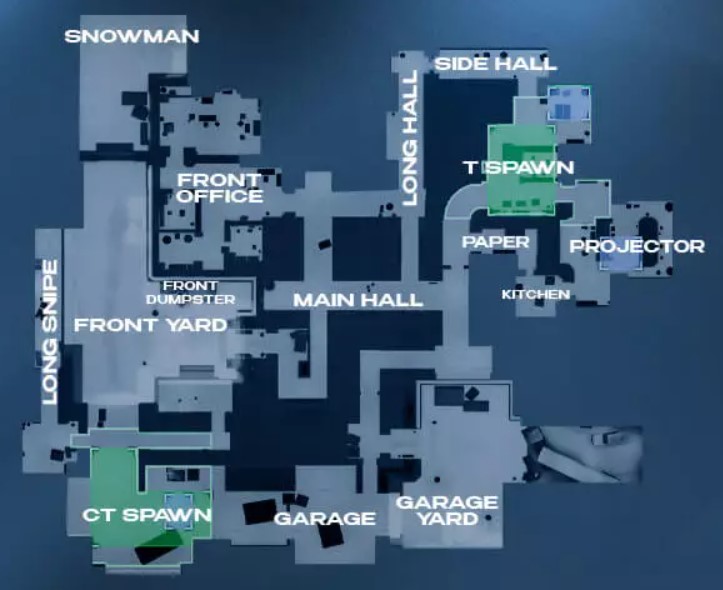
Counter-Strike is a popular tactical first-person shooter game where teams of terrorists and counter-terrorists compete to complete objectives such as planting bombs or rescuing hostages. Effective communication and teamwork are crucial for success, and understanding maps is essential. For example, players often rely on specific vertigo callouts to navigate and strategize during matches.
Unconventional T-Side Tactics: Outmaneuvering Your Opponents in CS2
In the strategic landscape of CS2, the often underutilized T-side tactics can give players a crucial edge against their opponents. Instead of relying solely on brute force or traditional plays, consider implementing unconventional approaches that exploit the map's nuances. For instance, executing a delayed split strategy on bomb sites can catch defenders off guard. By feigning an attack on one side and then rotating to the other, you can create openings that lead to easy plant situations. Pair this with precise utility usage, such as smoke grenades and flashbangs, to obscure enemy vision and deny critical information, enhancing your team's chances of success.
Another effective method is to leverage fake executions. By making noise and faking an intention to commit to a bomb site, you can draw defenders away from their optimal positions. This tactic not only disrupts the enemy's rotation but also allows your team to gather intelligence about their setup. To capitalize on this, ensure that at least two players commit to creating the illusion of an engagement, while the remaining teammates prepare for a swift rotation to the real target. Remember, communication is key; using voice comms or in-game signals effectively will ensure that your team remains synchronized throughout the play, maximizing the effectiveness of these unconventional T-side tactics.
How to Dance Your Way to Victory: Key Strategies for Team Play on T-Side in CS2
In Counter-Strike 2, mastering the art of teamwork on the T-side is crucial for achieving victory. To enhance your chances of success, focus on key strategies that promote effective collaboration and communication. Start by establishing a clear game plan at the beginning of each round. Discuss roles and positions with your teammates to ensure that everyone knows their responsibilities. A well-coordinated team is more likely to overwhelm opponents through synchronized pushes and effective use of utility. Additionally, consider applying the following strategies:
- Utilize Utility Wisely: Smoke grenades and flashbangs can create openings and obscure enemy vision, allowing for safer engagements.
- Communicate Effectively: Use voice chat to relay enemy positions and strategies in real-time.
- Stay Flexible: Adapt your tactics based on the opponents' reactions and the flow of the game.
Another essential aspect of dancing your way to victory is maintaining player synergy. Teams that function well together can anticipate each other’s movements and complement each other’s skills. Develop a rhythm as a team by practicing coordinated plays and executing strategies that require precise timing and positioning. As you become more familiar with your teammates' styles, you will find opportunities to exploit weaknesses in the enemy's setup. Remember to review your matches and discuss what worked and what didn’t. This reflection will help you refine your strategies as you dance your way through the competitive landscape of CS2.