Understanding Loyalty Retention Analytics: Key Metrics to Measure Customer Engagement
In today's competitive market, understanding Loyalty Retention Analytics is crucial for businesses seeking to enhance customer engagement. These analytics not only provide insights into customer behavior but also highlight key metrics that can help organizations tailor their marketing strategies effectively. By analyzing customer retention rates, businesses can identify patterns regarding how often customers return, allowing them to gauge the effectiveness of their loyalty programs. Furthermore, tracking Net Promoter Score (NPS) can reveal customer sentiment and their likelihood to recommend the brand to others, offering valuable information on how well a company is resonating with its audience.
To truly grasp the effectiveness of loyalty initiatives, businesses should concentrate on a few essential metrics:
- Customer Lifetime Value (CLV) - This metric assists in understanding the total worth of a customer over the entirety of their relationship with the brand.
- Churn Rate - A critical measure, it indicates the percentage of customers who stop using the service during a specific time frame, signalling issues that need to be addressed.
- Engagement Score - This can be calculated through various interactions, such as purchase frequency, social media engagement, and responses to marketing campaigns.
Counter-Strike is a popular tactical first-person shooter game that pits teams of terrorists against counter-terrorists in various mission-based scenarios. Players can improve their skills and strategies while competing in intense matches worldwide. To enhance your gaming experience, you can use a clash promo code for exclusive rewards and benefits.
How to Leverage Loyalty Programs for Enhanced Customer Retention
Loyalty programs are an essential tool for businesses aiming to enhance customer retention by fostering a sense of connection and reward. By implementing a structured program that offers incentives such as discounts, exclusive offers, or points for future purchases, companies can keep their customers engaged. When crafting your loyalty program, consider including elements like:
- Tiered rewards: Increase the value of rewards as customers reach higher tiers, motivating them to spend more.
- Personalization: Customize offers based on previous purchases to make customers feel valued.
- Referral bonuses: Encourage satisfied customers to bring in new business through rewards for successful referrals.
In addition to structured rewards, effective communication plays a pivotal role in maximizing the benefits of loyalty programs. Regularly update your customers about their points balances and remind them of available rewards through email marketing or mobile notifications. Transparency about how to earn and redeem rewards creates a sense of trust and encourages repeat engagement. Moreover, consider utilizing customer feedback to continually refine your program; by understanding what your customers value, you can adapt your offerings to meet their evolving needs. Implementing these strategies will not only help in leveraging loyalty programs but also significantly improve overall customer retention.
What Are the Most Effective Strategies for Using Analytics to Boost Customer Loyalty?
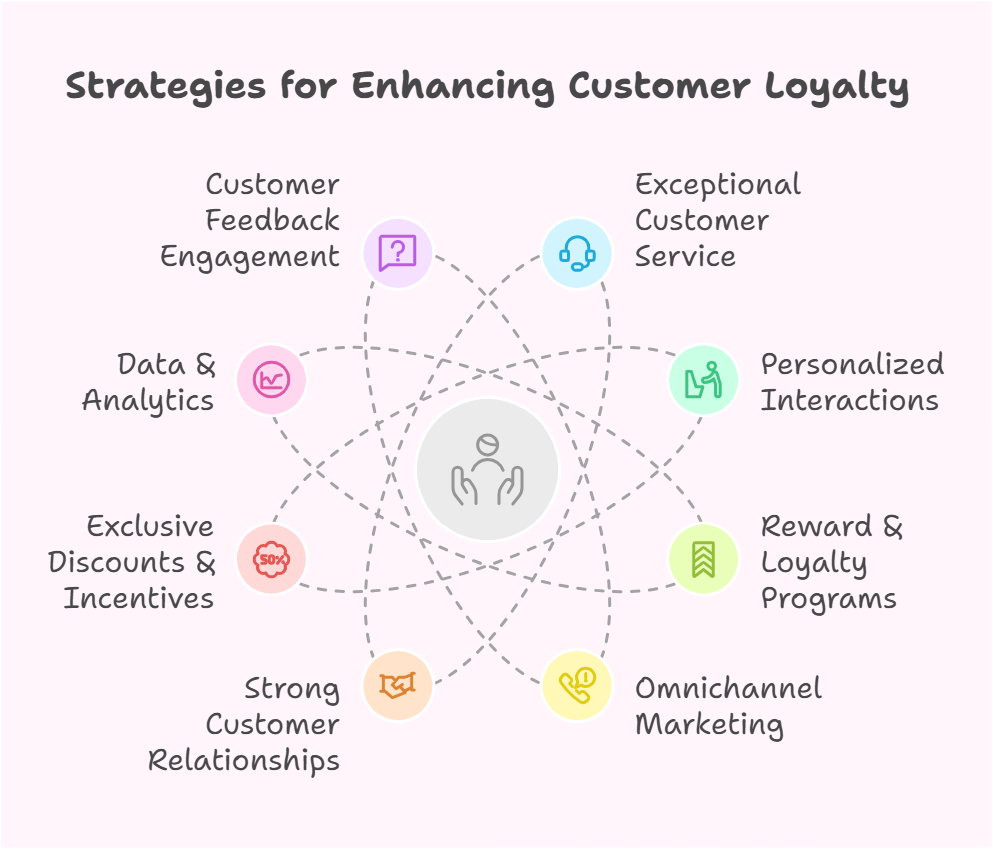
Utilizing analytics to enhance customer loyalty can be a game changer for businesses. One of the most effective strategies is to segment your audience based on their behavior and preferences. By analyzing purchase histories and interaction patterns, you can create targeted marketing campaigns that resonate with different customer groups. For instance, loyalty programs can be tailored to reward high-value customers with personalized offers, ensuring that they feel valued and understood. This not only increases engagement but also fosters a sense of belonging among your customers.
Another essential strategy is to leverage customer feedback through analytics tools. Regularly analyzing feedback can help you identify areas for improvement and adapt your services to meet customer needs more effectively. Implementing changes based on data-driven insights can significantly enhance customer satisfaction, leading to improved loyalty. Additionally, creating community engagement through social media analytics allows you to engage directly with your audience, strengthen relationships, and gather invaluable insights. Overall, integrating these analytical strategies can drive customer retention and ultimately boost loyalty.