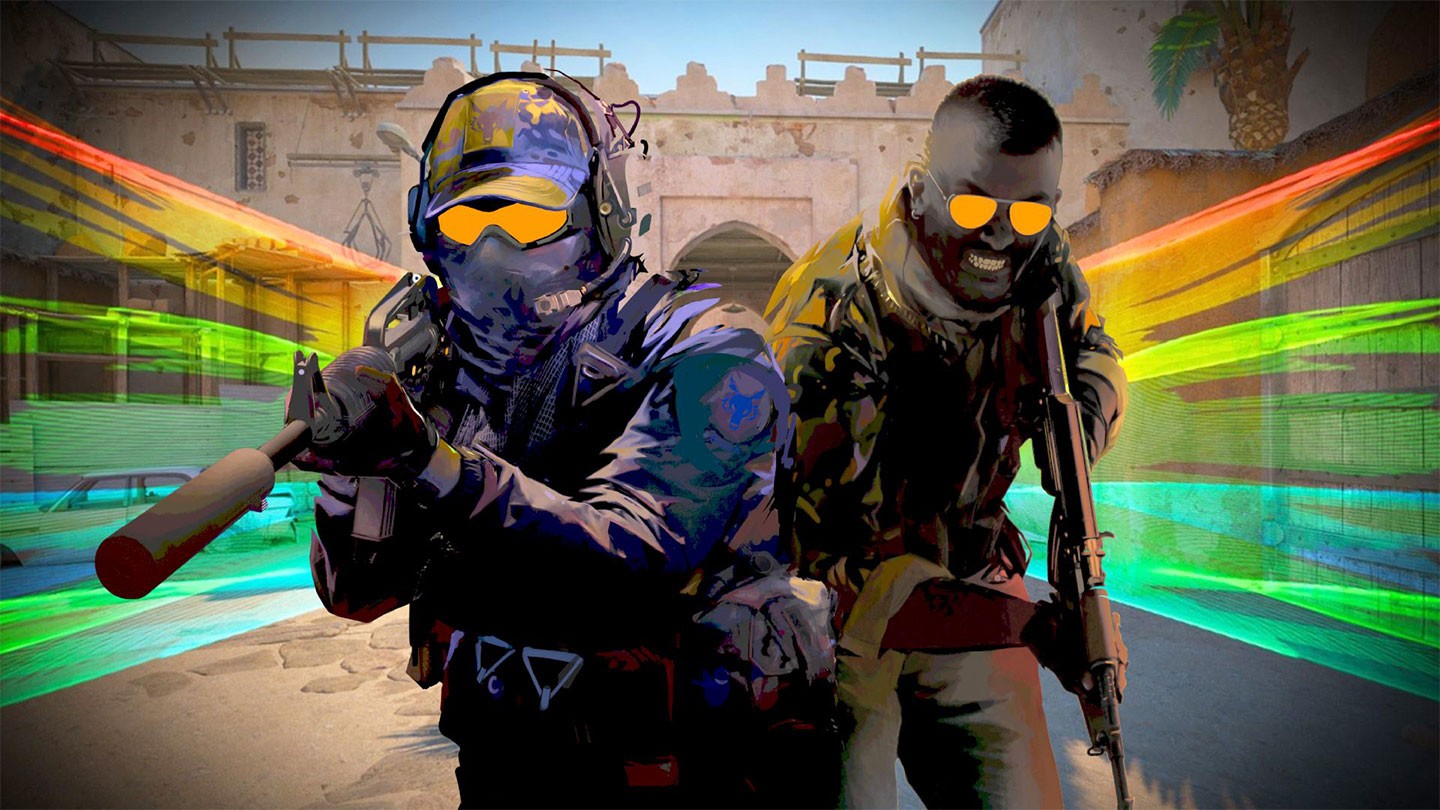
Top 5 Flashbang Tactics to Disorient Your Opponents
When it comes to competitive scenarios, understanding effective flashbang tactics can turn the tide of battle. Here are the Top 5 Flashbang Tactics to help you disorient your opponents:
- Timing is Key: Deploy your flashbangs at the right moment to catch opponents off-guard. For instance, tossing a flashbang while your team rushes into a room can create confusion and allow you to gain the upper hand.
- Utilize Angles: Throwing a flashbang around corners or through doorways can maximize its effect. This ensures opponents are hit by the flash effect before they even see the device coming.
- Combine with Team Coordination: Coordinate with your teammates for a synchronized attack. When your team throws flashbangs together, it overwhelms the enemy's senses and increases the chance of success.
- Mind the Enemy’s Position: Always consider the location of your opponents and how they might react. Anticipating their movements can help you position your flashbangs more effectively and make them less likely to evade.
- Practice Makes Perfect: Regular practice with flashbang tactics can greatly enhance your skills. Invest time in understanding the mechanics of the flashbang and learn how different maps affect its effectiveness.
Counter-Strike is a popular tactical first-person shooter game that emphasizes teamwork and strategy. Players can choose from a variety of weapons, including the famas, which is known for its versatility in combat scenarios. The game requires quick reflexes and effective communication to achieve victory.
The Science Behind Flashbangs: How They Blind and Daze
Flashbangs, also known as stun grenades, are tactical devices designed to disorient and incapacitate individuals through a combination of intense light and deafening sound. When deployed, a flashbang emits a brilliant flash of light that can reach up to 180 decibels of noise, capable of overwhelming the senses. The sudden burst of light is primarily generated by the rapid combustion of certain pyrotechnic materials, which creates a visible flash that can blind anyone within a close proximity. This effect is exacerbated in darkened environments where the contrast is most pronounced, rendering the target temporarily unable to see and react effectively.
In addition to the blinding flash, the acoustic effects of a flashbang play a critical role in its overall effectiveness. The loud sound produced not only serves to further disorient the target, but can also induce a temporary threshold shift in hearing, making it difficult for individuals to discern other sounds in their environment. The combination of bright light and overwhelming sound can cause a state of confusion, often referred to as auditory lockdown. This psychological impact is essential for tactical operations, as it provides law enforcement and military personnel with a crucial advantage when entering volatile situations.
Flashbang Strategies: When and Where to Deploy for Maximum Impact
Flashbangs are essential tools in tactical scenarios, providing smoke and confusion to disorient opponents. To maximize their impact, it's crucial to understand when and where to deploy them. For instance, the ideal moments to use flashbangs include before entering a room or during a hostage scenario where control of the environment is essential. Key locations for deployment include narrow corridors and tight spaces, where the blast radius can affect multiple enemies while minimizing risk to your team. Proper timing and positioning can create chaotic situations, allowing your team to gain a tactical advantage.
Effective usage of flashbangs can significantly alter the tide of a confrontation. Consider employing these tactics in different scenarios:
- Entry Tactics: Deploy a flashbang just before entering a known enemy stronghold to disorient defenders.
- Countering Snipers: Use a flashbang to momentarily blind a sniper, giving your team a chance to reposition.
- Team Coordination: Communicate with teammates to ensure that everyone is aware of the flashbang timing, maximizing its effectiveness.