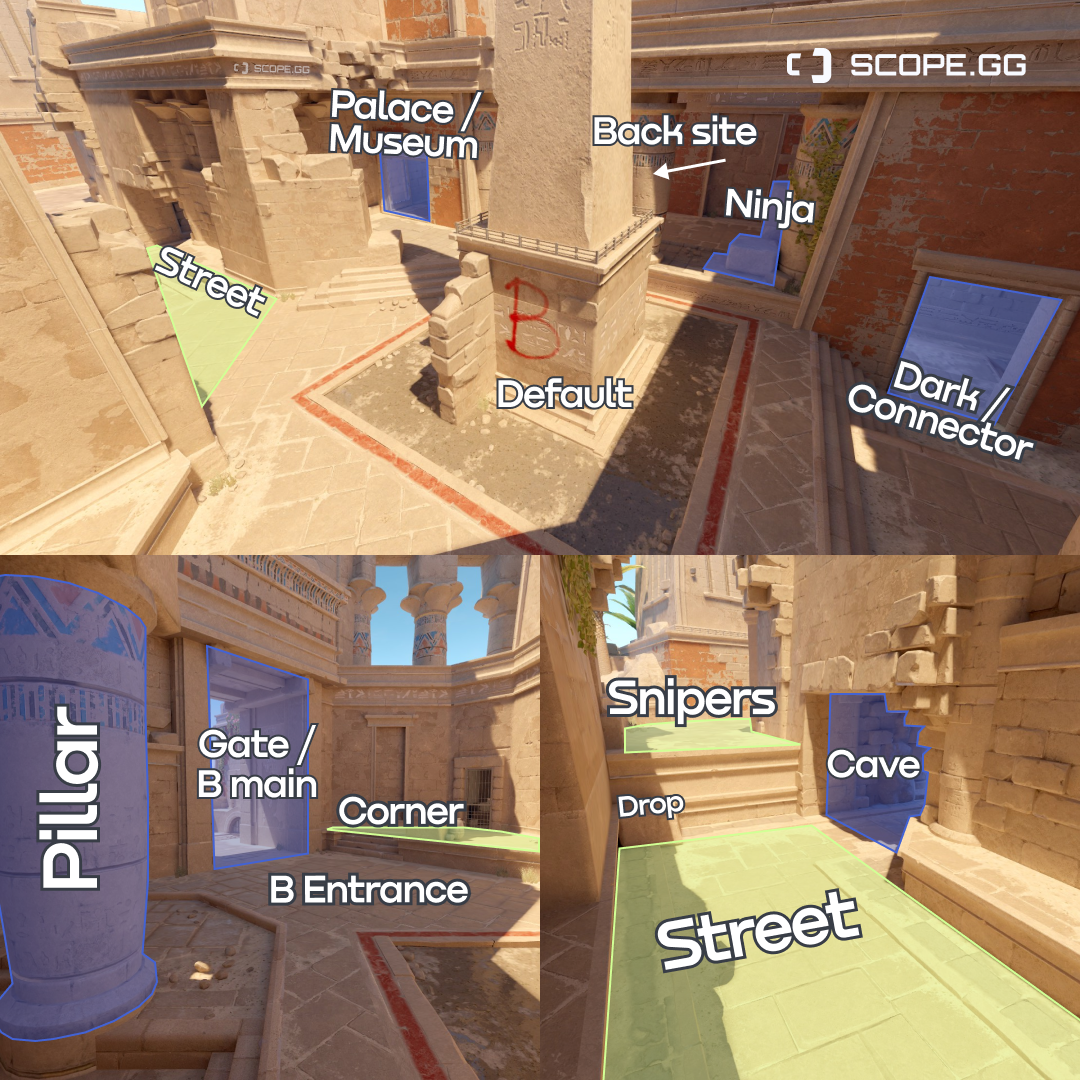
Essential Callout Strategies for CS2: Mastering Map Navigation
In Counter-Strike 2 (CS2), effective communication is key to securing victory, and mastering essential callout strategies can significantly enhance your team's map navigation. Start by familiarizing yourself with the layout of each map, identifying vital callouts that are commonly used. For instance, creating a comprehensive list of locations such as Bomb Sites, Spawn Points, and Common Choke Points ensures that every player can understand and react to crucial information rapidly. Remember, using specific and widely recognized terminologies boosts your team's efficiency. A misunderstanding or vague reference can lead to critical errors in high-stakes situations.
Furthermore, adopting a systematic approach to callouts can improve overall map awareness. Organize your callouts by regions of the map; this can be done using numbered lists for clarity. For example:
- A Site – Represents the area where terrorists plant the bomb.
- B Site – The secondary bomb site.
- Middle – The central area that connects both sites.
By refining your callout methods, you not only empower your teammates but also learn to navigate the map with confidence. Excellent communication can transform your team's coordination, enabling quicker strategies to outmaneuver opponents effectively.
Counter-Strike has been a cornerstone of competitive gaming since its inception, evolving through several iterations. The latest version, often referred to as CS2, brings updated graphics and gameplay mechanics that enhance the experience for both casual and professional players. To ensure your system can handle the new features, you should check the cs2 system requirements before diving in.
Top 10 Callout Mistakes to Avoid in CS2
In the fast-paced world of CS2, effective communication can make or break your team's performance. Understanding the common mistakes players make with callouts is essential for improving gameplay and coordination. Here are the top 10 callout mistakes to avoid in CS2:
- Vague Callouts: Being imprecise can lead to confusion. Always strive for clarity.
- Overusing Callouts: Repeating the same callouts can drown out critical information.
- Ignoring the Map: Familiarize yourself with the map layout to provide accurate locations.
- Delayed Callouts: Timing is crucial; make sure to communicate enemy positions promptly.
- Not Using Standard Callouts: Stick to commonly accepted terms to ensure everyone understands your message.
- Overcomplicating Communication: Keep it simple to avoid overwhelming your teammates.
- Neglecting Team Dynamics: Adapt your callouts based on your team's communication style.
- Not Listening: Pay attention to your teammates' callouts to enhance situational awareness.
- Failure to Update: Always provide updates if enemies move or change positions.
- Muting Key Players: Avoid silencing players who provide valuable information.
How to Create Effective Callouts for Team Success in CS2
Creating effective callouts in CS2 is essential for fostering team success and ensuring smooth communication during gameplay. A well-timed callout can provide crucial information about enemy positions, strategy changes, or tactical necessities. To begin, consider utilizing clear and concise language, as this reduces the chances of miscommunication. Define specific terms for locations on the map that everyone understands, ensuring all team members are on the same page. For instance, using a numbered list like the following can help organize your callouts:
- Site A
- Site B
- Mid
- Flank
Another important aspect of crafting callouts is the tone and urgency you convey. Make sure to emphasize the importance of each callout depending on the scenario. If a teammate is in danger, a strong and urgent tone can alert the team to react quickly. Additionally, regular practice within the team can help refine these callouts, making them second nature in high-pressure situations. Effective communication leads to improved team coordination, allowing for more strategic plays and ultimately driving your team's success in CS2.