Understanding the CSGO Map Meta: Key Strategies for Success
In Counter-Strike: Global Offensive (CS:GO), understanding the map meta is crucial for developing effective gameplay strategies. Each map has its unique layout and characteristics that influence team dynamics and individual player roles. To succeed, players must analyze key aspects of the map, such as chokepoints, bomb sites, and strategic locations. Efficiently positioning your team to control these areas can provide significant advantages. For example, on maps like Dust II, controlling mid can be the difference between victory and defeat, making it essential to master specific positions and rotations.
Additionally, adapting your strategy to the current CS:GO map meta requires constant analysis and flexibility. Teams should regularly review gameplay data to identify prevalent tactics and counter them effectively. There are several key strategies to consider:
- Communication: Maintain clear and concise communication with teammates to facilitate quick decision-making.
- Utility Usage: Learn effective ways to use grenades and smokes in critical areas to gain an upper hand.
- Adaptation: Be prepared to adjust your tactics based on the enemy's strategy, ensuring you remain unpredictable.
By implementing these strategies, players can greatly improve their performance and increase their chances of success in CS:GO matches.
Counter-Strike is a popular multiplayer first-person shooter game that emphasizes teamwork and strategy. In the latest version, players often seek to enhance their gameplay experience using various techniques, such as configuring cs2 buy binds to streamline their weapon purchasing. The game's competitive nature has created a dedicated community and numerous eSports tournaments worldwide.
The Impact of Map Changes on Competitive Play in CSGO
The world of Competitive play in CSGO is heavily influenced by map changes, as these modifications can alter game strategies, player dynamics, and overall balance. Each update can introduce new pathways, eliminate choke points, or adjust the placement of essential resources such as bomb sites and spawn locations. For teams to maintain their competitive edge, they must adapt swiftly to these changes, employing new tactics and strategies tailored to the updated map layouts. This constant evolution not only keeps the gameplay fresh but also challenges players to continuously refine their skills and approaches.
Moreover, map changes can have a profound impact on the meta-game, shifting the balance of power between various weapons and character tactics. For instance, a tighter map may favor close-range engagements, making shotguns and SMGs more viable, while a larger map could promote the use of sniper rifles and long-range tactics. As a result, teams must consistently analyze the implications of these changes and adjust their loadouts and strategies to remain competitive. In essence, understanding and responding to map changes is crucial for any team aiming to succeed in the competitive realm of CSGO.
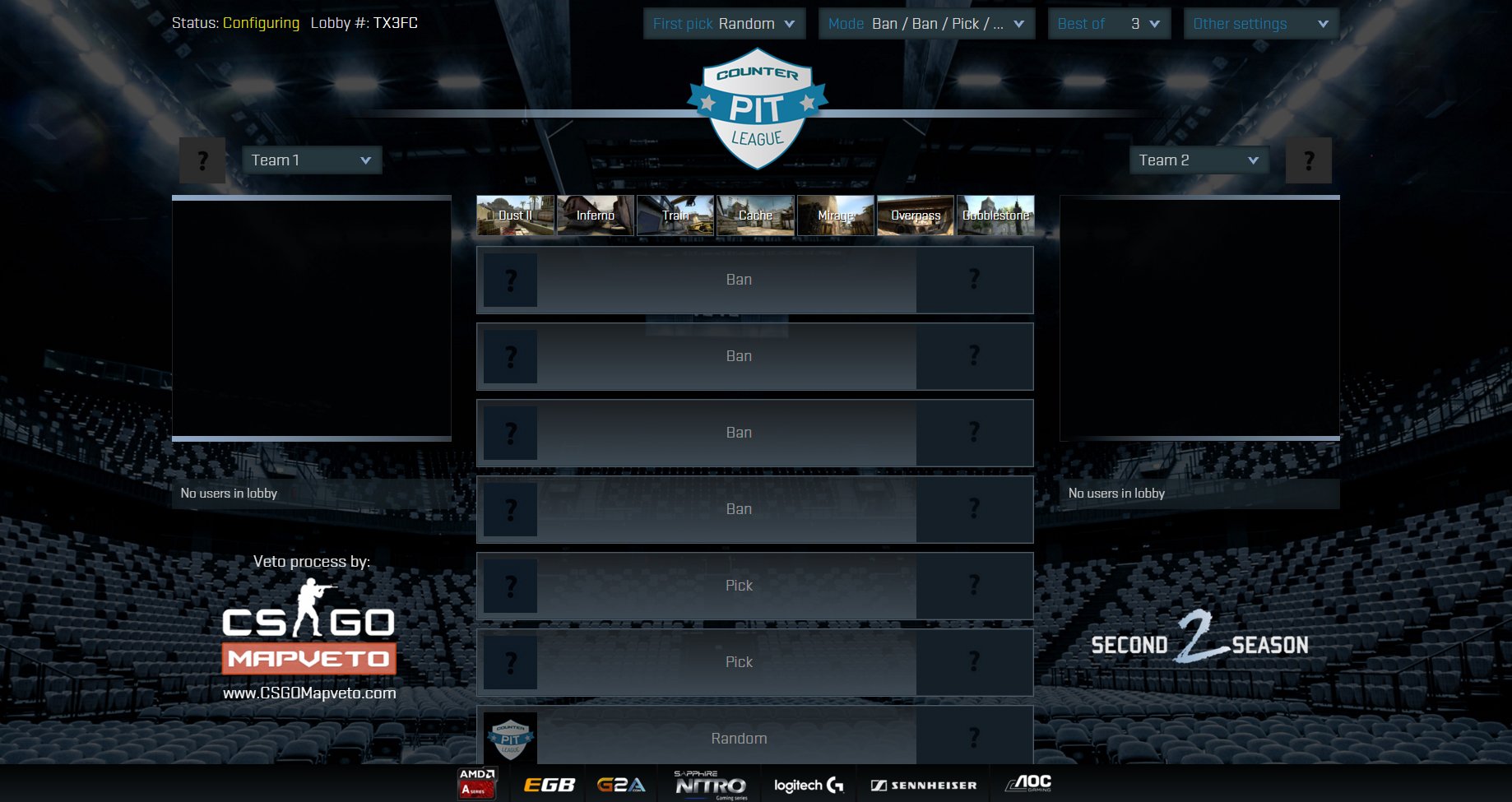
Veto Strategies: How to Choose the Right Maps in CSGO Matches
When it comes to **veto strategies** in CS:GO matches, selecting the right maps is crucial for gaining a competitive advantage. Understanding your team's strengths and weaknesses, as well as analyzing your opponents' preferences, can significantly influence this decision. It’s recommended to maintain a list of maps that your team excels in while also considering the maps the opposing team struggles with. This dual approach allows for a strategic veto process that maximizes your chances of success.
In order to develop effective **veto strategies**, here are some key considerations:
- Analyze Previous Matches: Review past games to identify which maps provided the best results for your team.
- Evaluate Team Composition: Consider how each player's strengths align with different maps.
- Focus on Opponent Trends: Pay attention to the maps your opponents tend to avoid and capitalize on those insights.