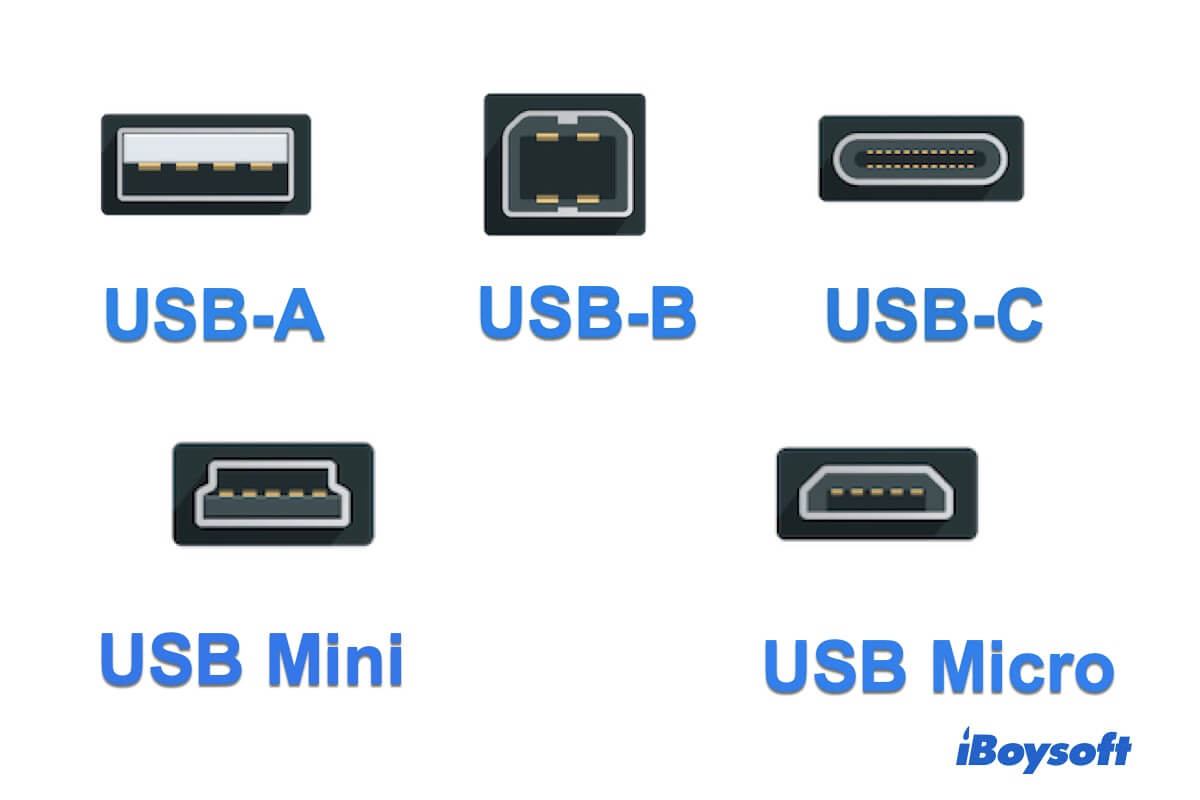
The Evolution of USB Ports: From Standardization to Versatility
The journey of USB ports began in 1996 with the introduction of USB 1.0, designed to standardize the connection of peripherals to computers. This initial version offered a modest data transfer rate of 1.5 Mbps, which was revolutionary at the time. As technology evolved, so did the capabilities of USB ports. The release of USB 2.0 in 2000 boosted transfer speeds up to 480 Mbps, paving the way for a multitude of devices to connect seamlessly. Further advancements saw the introduction of USB 3.0 in 2008, which unlocked speeds of up to 5 Gbps, perfectly accommodating the growing demands for faster data transfers and more powerful connections.
As we moved into the 2010s, USB technology became increasingly versatile. The introduction of USB Type-C revolutionized the landscape, allowing for higher data transmission rates and a reversible connector design. This adaptability meant that USB ports could be used not only for data transfer but also for charging and video output, consolidating multiple functionalities into one port. Today, USB 4.0 has further enhanced connectivity, supporting speeds of up to 40 Gbps and compatibility with Thunderbolt 3, ensuring that USB ports continue to play a critical role in our ever-evolving digital ecosystem.
If you're looking to blend functionality with style, check out the Top 10 Nightstands with Charging Stations. These nightstands not only provide a spot for your bedside essentials but also keep your devices charged and within reach. From sleek modern designs to more traditional looks, there's a perfect option for every bedroom aesthetic.
How USB Ports Revolutionized Device Connectivity
The introduction of USB ports has dramatically transformed the landscape of device connectivity, enabling seamless communication between an array of electronic devices. Before the advent of USB technology, users were often burdened with a confusing mix of cables and connections that varied from one device to another. With the implementation of the Universal Serial Bus, a standardized interface, connecting devices became incredibly user-friendly. From computers and printers to smartphones and gaming consoles, USB ports have simplified how we interact with technology, fostering an environment where devices can easily share data and power.
Moreover, the versatility of USB ports has paved the way for innovation across numerous industries. Today, we rely on USB connections for quick data transfer, device charging, and even powering peripherals without the need for additional adapters. As technology continues to evolve, the USB standard has also adapted, giving rise to versions such as USB-C that support faster charging and higher data transfer rates. This evolution highlights the importance of USB ports in modern connectivity—making them essential tools for both consumers and professionals alike.
Common Problems with USB Ports and How to Fix Them
USB ports are essential for connecting various devices, from keyboards and mice to external hard drives and smartphones. However, users often encounter common problems with USB ports that could hinder their device's functionality. Some of the frequent issues include physical damage to the port, failure to recognize connected devices, or insufficient power supply. Additionally, outdated drivers and software conflicts can also lead to USB malfunction. Identifying the root cause of these problems is crucial for effective troubleshooting.
To address these issues, start by inspecting the USB port for any visible debris or damage. If it appears dirty, carefully clean it with compressed air. Next, try reconnecting the device to a different USB port to determine if the problem lies with the port itself. If the device is still not recognized, check for driver updates on your operating system and ensure that your device is properly powered. If all else fails, a system restart may resolve temporary glitches. Following these steps can help you quickly fix the common problems with USB ports and restore functionality.